

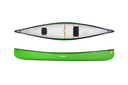

Silverbirch Firefly 14 Tandem
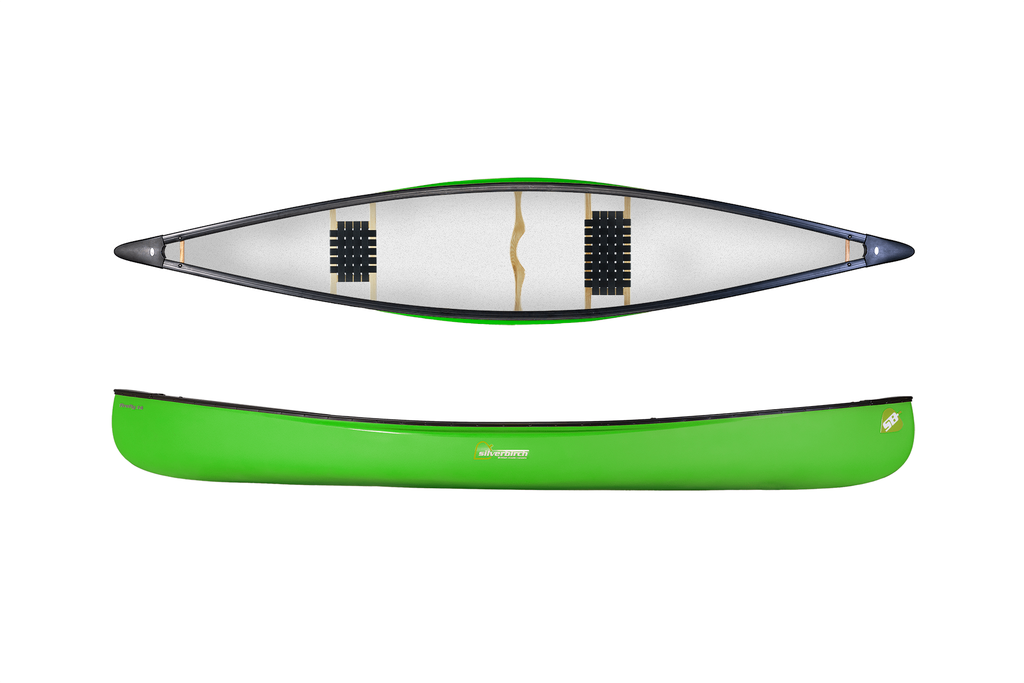
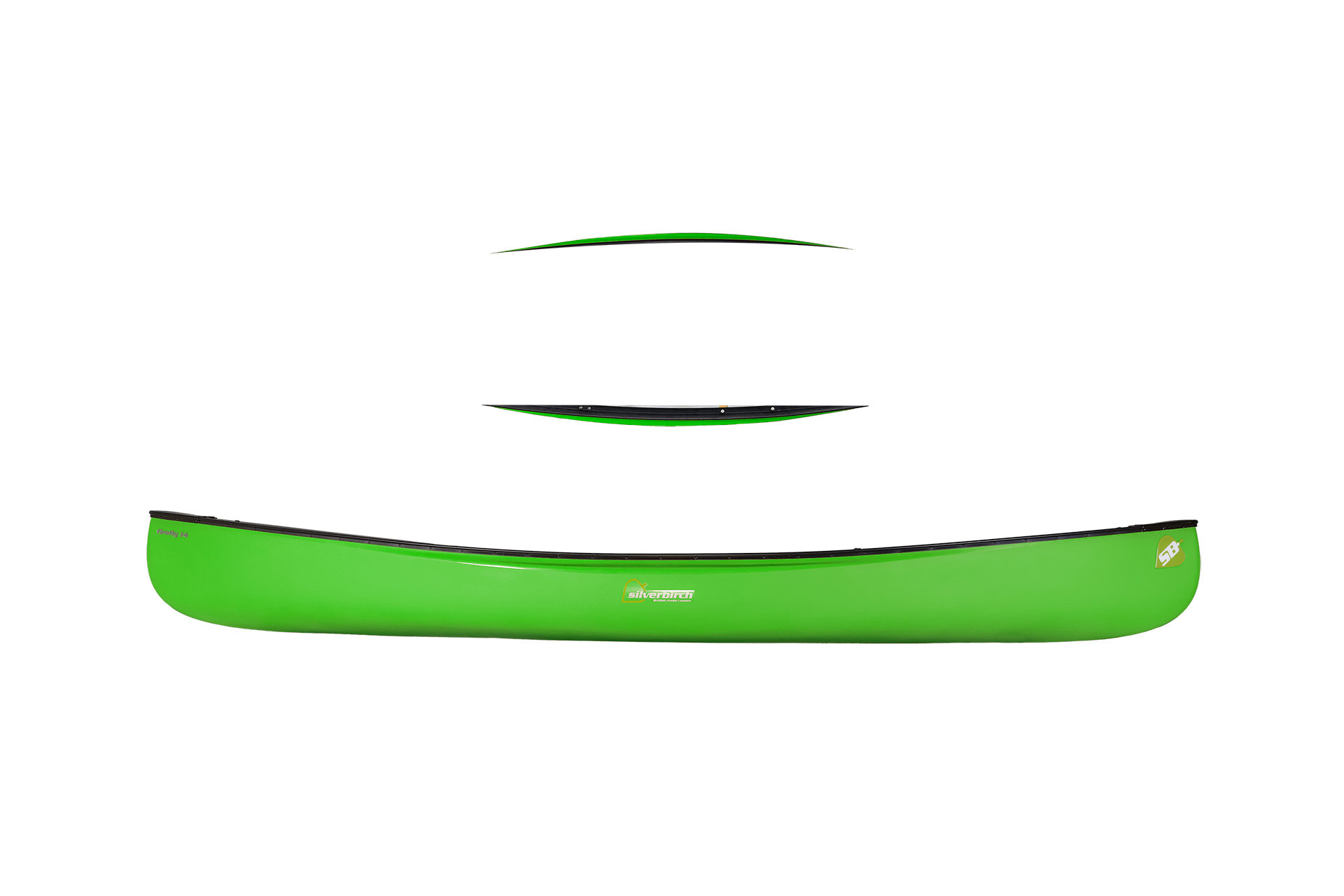
The Silverbirch Firefly 14 Tandem — a lively, lightweight British canoe built for two. Agile on rivers, easy to handle off the water, and perfect for smaller paddling teams.
Silverbirch are currently running a Duralite Special in partnership with The Boathouse. This is on selected Silverbirch Canoes such as the Firefly 14, Broadland 15 and Broadland 16. Click here to see the Duralite Special.
A Compact Tandem Canoe for Rivers, Day Trips and Smaller Paddling Teams
The Silverbirch Firefly 14 Tandem takes the lively, responsive character of the Firefly hull and configures it for two paddlers.
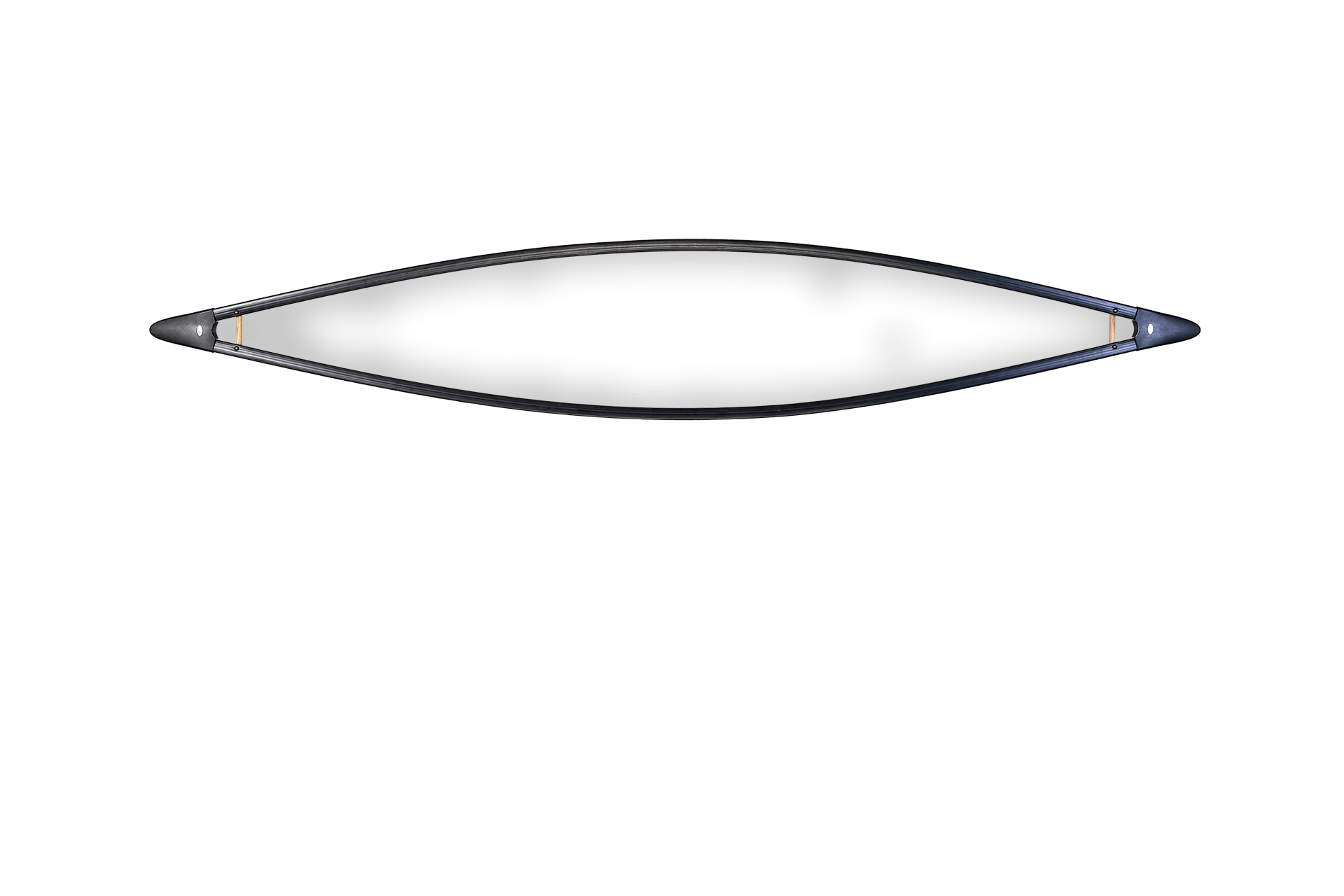
At 14'3" long and 32.5" wide, it is noticeably more compact than many traditional tandem canoes. This makes it an appealing choice for smaller adults, parents paddling with children, junior paddling teams and anyone who wants a less bulky two-person canoe for rivers and day trips.
The Firefly Tandem is particularly at home on moving water and winding rivers, where its responsive character allows the bow and stern paddlers to work together through bends, changes in flow and technical river features.
Responsive Tandem Handling
The Firefly is designed to provide a lively and engaging paddling experience rather than the slower, heavily forgiving feel of a broad recreational canoe.
Its smooth hull responds readily to coordinated tandem paddle strokes, allowing an experienced team to make precise changes of direction and maintain control through narrower river channels.
This responsiveness makes the Firefly well suited to paddlers developing tandem communication, timing and moving-water boat control. It is also capable of sheltered flat-water paddling and general day trips, although crews prioritising maximum initial stability or relaxed cruising may prefer a broader canoe.
Designed for Lighter Tandem Crews
The compact Firefly 14 works best with lighter two-person teams.
It is particularly suitable for:
- Parents paddling with children.
- Two junior or youth paddlers.
- Smaller adult tandem teams.
- A more experienced paddler introducing a lighter partner to canoeing.
- Tandem crews carrying only essential day-trip equipment.
- Paddlers who want a compact canoe for moving water and winding rivers.
The published optimum total load range is 50–185kg. This figure should include both paddlers, clothing, safety equipment, outfitting and any additional equipment carried in the canoe.
Two adults may therefore use the Firefly Tandem when their combined total load remains appropriate, but larger crews or paddlers carrying substantial equipment should consider the Silverbirch Broadland 15 or Broadland 16.
Made for Moving Water
Moving water is one of the Firefly Tandem’s principal strengths.
Its compact dimensions and responsive handling make it well suited to downriver journeys, narrow waterways and technical tandem paddling. It rewards coordinated teamwork between the bow and stern paddlers and provides a more active experience than a broad, relaxed family cruiser.
For more demanding river use, the Firefly can be configured with fitted lacing and additional flotation. Paddlers should always use appropriate personal protective equipment and choose water conditions suitable for their training and experience.
Day Trips and Lightweight Adventures
The Firefly Tandem provides enough room for two lighter paddlers and sensibly selected day-trip equipment.
It is a strong option for local river journeys, sheltered-water paddling and lightweight tandem adventures where agility and manageable dimensions are more important than maximum internal space.
Because it is a compact 14-foot tandem, it is not the ideal choice for two larger adults carrying camping equipment for extended expeditions. The longer and more spacious Broadland models provide a more suitable platform for heavier crews, larger loads and family camping trips.
Is the Firefly Tandem Suitable for Beginners?
The Firefly can be used by developing paddlers, particularly when one member of the crew has previous canoeing experience.
However, its lively and responsive character means it may feel more active than a wide, flat-bottomed recreational canoe. Complete beginners who prioritise maximum steadiness and a very forgiving platform should arrange a demonstration before purchasing or consider a broader model.
Paddlers who enjoy developing their technique are likely to appreciate how the Firefly continues to respond as their tandem timing and boat-control skills improve.
Low-Line and High-Line Trim Options
The Firefly 14 Tandem can be configured with either Low-Line or High-Line trim.
Low-Line Trim
Low-Line trim has shallower sidewalls and a lower overall profile.
This provides:
- Lower overall weight.
- Less exposure to side winds.
- Responsive handling.
- Easier loading and carrying.
- A configuration suited to lighter crews and day paddling.
Low-Line trim is generally the most appropriate choice for lighter paddling teams who prioritise control, efficiency and manageable off-water handling.
High-Line Trim
High-Line trim has deeper sidewalls, increasing internal volume and freeboard.
This provides:
- More internal space.
- Greater buoyancy when loaded.
- A drier ride in waves and rougher water.
- More protection when carrying additional equipment.
The increased depth also adds weight and presents a larger side profile to the wind. High-Line trim may suit crews requiring additional volume, but paddlers carrying consistently heavy loads should still consider whether a larger Broadland canoe would be more appropriate.
Duralite and Duracore+ Construction
The Firefly 14 Tandem is available in two polyethylene construction options:
Duralite
Duralite is the lighter construction option for paddlers who prioritise easier carrying, vehicle loading and off-water handling.
Duracore+
Duracore+ is the heavier construction option for paddlers who prioritise robustness over minimum carrying weight.
The finished weight varies according to construction, Low-Line or High-Line trim, gunwale material, seating, yoke and additional outfitting. The weight of the chosen configuration should therefore be confirmed when ordering.
Available Configuration Options
Depending on the selected specification, the Firefly Tandem can be configured with options including:
- Duralite or Duracore+ construction.
- Low-Line or High-Line trim.
- Vinyl or ash gunwales.
- Two wood and web seats.
- Two curved wood and web seats.
- Two curved cane seats.
- Standard or contoured carrying yokes.
- Sailing-seat and thwart options.
- End or full-length lacing.
- Rope end grabs.
- Exterior and interior colour choices.
Technical Specifications
- Length: 4360mm / 14'3"
- Maximum width: 820mm / 32.5"
- Bow and stern depth: 490mm / 19.5"
- Optimum total load range: 50–185kg
- Ultimate static capacity: 280kg
- Paddler configuration: Tandem
- Construction options: Duralite or Duracore+
- Trim options: Low-Line or High-Line
- Standard seating: Two canoe seats
- Weight: Varies according to construction and selected outfitting
The optimum range represents the total load within which typical users can expect the canoe to perform as designed across a variety of water conditions.
The 280kg ultimate capacity is derived from a static industry test measuring the amount of weight required to reduce the canoe to six inches of freeboard. It is not a recommended paddling, operating or expedition load.
Deliveries
Once your boat is ready, delivery to mainland UK addresses usually takes 10–15 days. We'll contact you to arrange a convenient delivery date and time once production is complete.
If you prefer, you're also welcome to collect your canoe directly from our facility.
See full delivery details here.
Warranty
Typically, 1st quality boats have a 2-year manufacturer’s warranty for personal use (B2C) – covering defects in materials and workmanship under normal use.
Click here to see full warranty details.
Duralite Spring Special
An Insight Into Canoe Set Up Options, Materials & Outfitting
Who Should Choose the Firefly 14 Tandem?
Choose the Firefly Tandem when you want:
- A compact two-person canoe.
- Responsive handling on rivers and moving water.
- A canoe suitable for parents and children.
- A boat for junior or lightweight tandem teams.
- An engaging platform for developing tandem paddling skills.
- Manageable dimensions for transport, storage and day trips.
- A British-made canoe with configurable construction and outfitting.
When Should You Choose a Broadland Instead?
Consider the Silverbirch Broadland 15 or Broadland 16 when you need:
- More room for two larger adults.
- Greater space for camping and expedition equipment.
- A more relaxed and forgiving family platform.
- More capacity for children, dogs or additional passengers.
- A canoe designed to carry heavier loads over longer journeys.
Why Choose the Silverbirch Firefly 14 Tandem?
The Firefly 14 Tandem offers something different from a conventional full-sized tandem canoe.
It is compact, lively and designed to keep a lighter two-person crew actively involved in controlling the boat. It excels on winding rivers and moving water while remaining versatile enough for sheltered-water paddling and everyday day trips.
For parents and children, smaller adults or developing tandem teams who value agility over maximum carrying capacity, the Firefly provides an exciting and highly capable British-made canoe.

To install this Web App in your iPhone/iPad press
 and then Add to Home Screen.
