
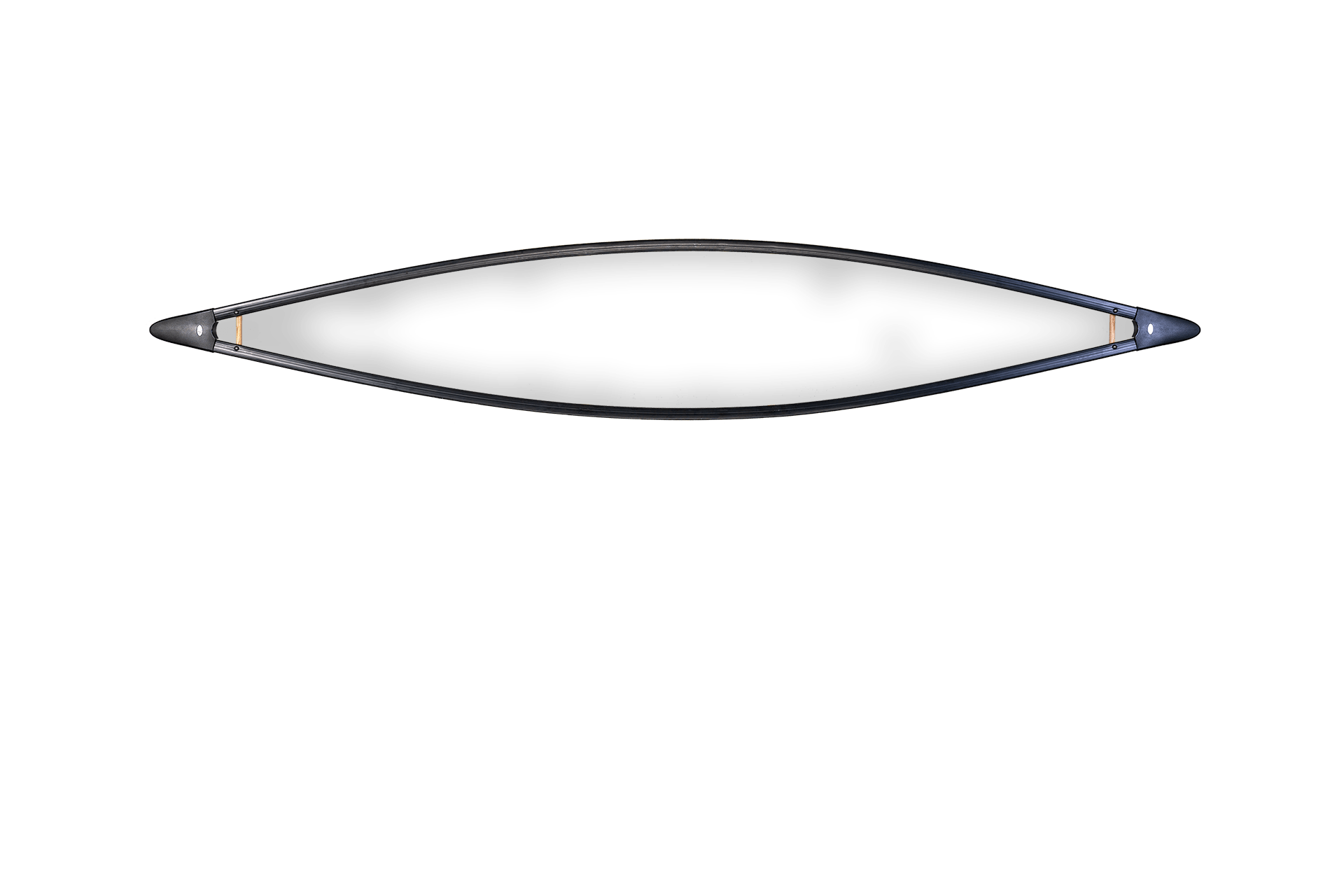

Silverbirch Firefly 14 Solo (Highline)
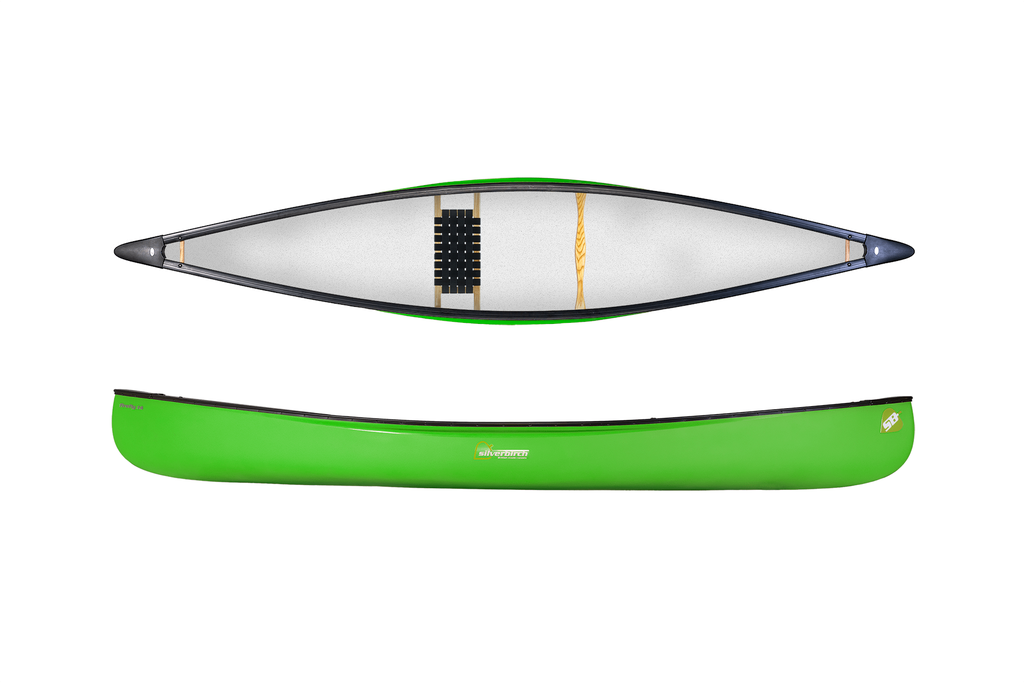
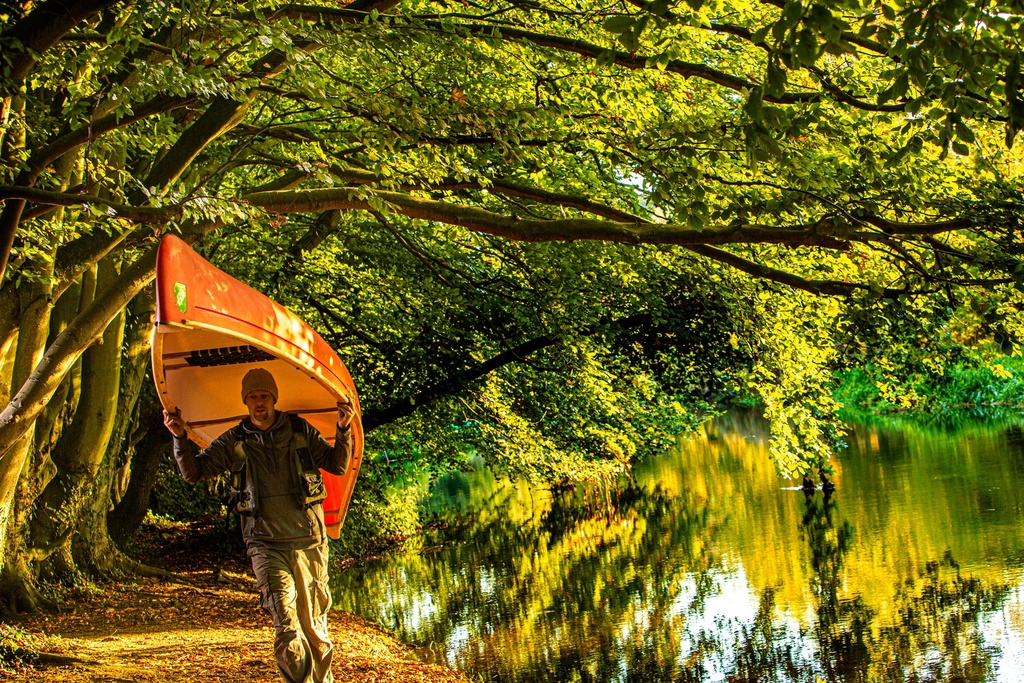
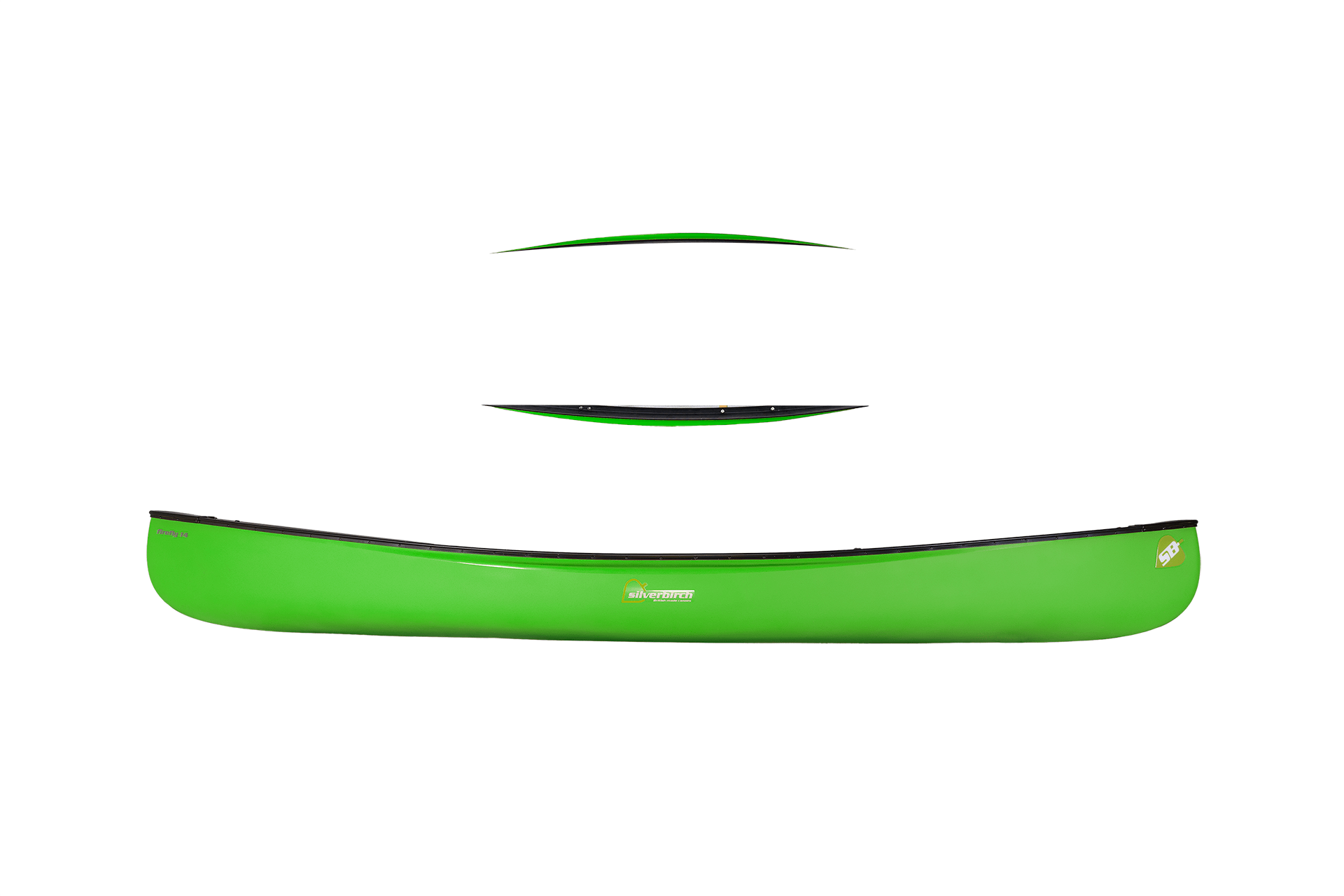
The Silverbirch Firefly 14 Solo — a purpose-built British solo canoe that's light enough to carry, fast enough to thrill. Flat water, rivers, solo expeditions: all in 25.5kg.
Highline canoes feature increased sidewall depth (freeboard), providing greater load capacity, improved buoyancy, and a drier ride in rough or open water. This makes them ideal for expedition paddling, heavier loads, or more exposed conditions where extra security and carrying capacity are needed. Click here for a full rundown on the differences in Lowline and Highline canoes.
Silverbirch are currently running a Duralite Spring Special in partnership with The Boathouse. This is on selected Silverbirch Canoes such as the Firefly 14, Broadland 15 and Broadland 16. See the description drop down for more info or click here to see the Duralite Spring Special.
| Trim Height: High-line trim |
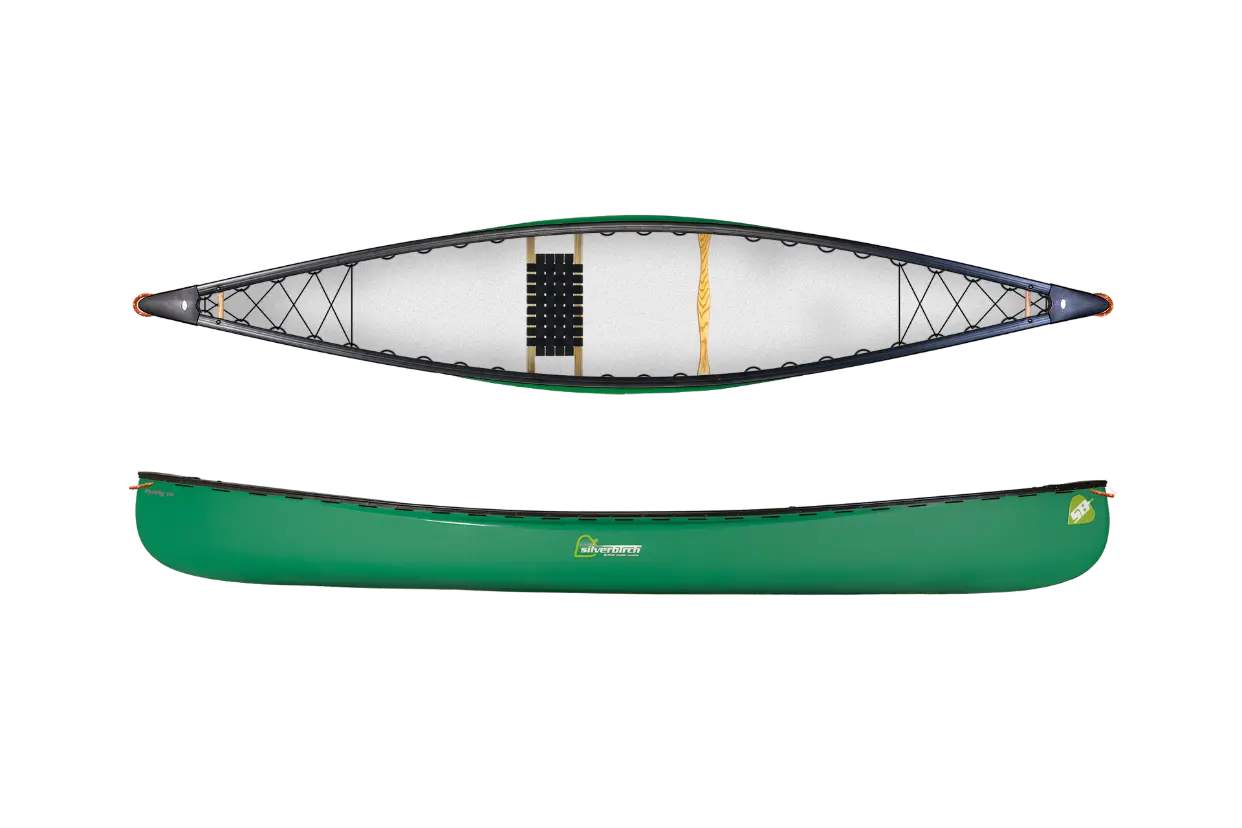
The Firefly 14 Solo Highline builds on the agility of the standard model but adds extra depth, making it even better for solo tripping, moving water, and carrying additional gear. With its higher sides for improved wave deflection and extra freeboard, this version is ideal for paddlers taking on bigger water challenges, including extended solo trips in more demanding conditions.
One Firefly Highline has even completed a full descent of the Grand Canyon, showcasing its potential for serious adventure paddlers.
Best For:
Solo trippers needing extra capacity without compromising agility.
Paddlers tackling extended moving-water expeditions.
Those who want added security in rougher waters.
When to Think Twice About This Model:
Prefer a lower-profile canoe for wind resistance? – The added depth provides protection but may require more effort in windy conditions.
Looking for a canoe to carry very heavy loads? – While excellent for solo trips, those needing significant carrying capacity should consider the Broadland series.
Why Choose the Firefly 14 Solo Highline?
Built for serious solo adventures – Handles bigger water, extended trips, and downriver challenges.
Extra freeboard for confidence in rougher conditions – Keeps paddlers drier and more secure.
Balances gear-hauling ability with solo agility.
Spare parts & Accessories
Due to manufacturing here in the UK, we have an array of spare parts and accessories on hand ready to be shipped out for any repairs or upgrades.
The optimum ranges are suggested for typical paddlers in a variety of different water conditions and the users can expect the craft to paddle as designed within these ranges.
The ultimate capacity is derived using an industry standard test of the amount of static weight it takes to achieve a 6” freeboard. This is not a recommendation of suitability of use at these weights.
Length
4360mm / 14'3"
Width
820mm / 32.5"
Depth
490mm / 19.5"
Weight
Duracore+ 31.5kg - Duralite 30Kg
The optimum ranges are suggested for typical paddlers in a variety of different water conditions and the users can expect the craft to paddle as designed within these ranges.
The ultimate capacity is derived using an industry standard test of the amount of static weight it takes to achieve a 6” freeboard. This is not a recommendation of suitability of use at these weights.
Optimum range - 50kg - 185Kg
Ultimate Capacity - 280Kg
Lowline vs Highline—What's the Difference?
The difference between highline and lowline canoes comes down to hull depth (freeboard) — essentially how high the sides of the canoe sit above the waterline. This single design choice has a noticeable impact on handling, stability, weight, and performance in different conditions.
Highline Canoes — More Depth, More Capacity
A highline canoe has deeper sidewalls, which increases internal volume and keeps more of the hull above the water.
This results in:
- Higher load capacity – better for carrying gear, additional paddlers, or expedition setups
- Improved buoyancy – sits higher in the water, especially when loaded
- Drier ride in rough water – more protection from waves and chop
Highline trims are typically chosen for expeditions, open water crossings, or paddlers carrying heavier loads.
However, the added depth also means:
- Increased weight (typically around 10–12% more depending on the model)
- More wind exposure due to the larger side profile
Lowline Canoes — Lower Profile, Greater Control
A lowline canoe has shallower sidewalls, reducing the amount of hull above the water.
This gives you:
- Less wind resistance – easier to control in breezy conditions
- Lighter overall weight – easier to carry, load, and handle off the water
- More responsive handling – ideal for technical paddling or solo use
Lowline trims are best suited to day paddling, lighter loads, sheltered waters, and paddlers who prioritise efficiency and control over carrying capacity.
Which Should You Choose?
- Choose Highline if you need maximum capacity, added security in rough water, or expedition capability
- Choose Lowline if you want a lighter, more responsive canoe that performs well in calmer or more sheltered conditions

To install this Web App in your iPhone/iPad press
 and then Add to Home Screen.
